
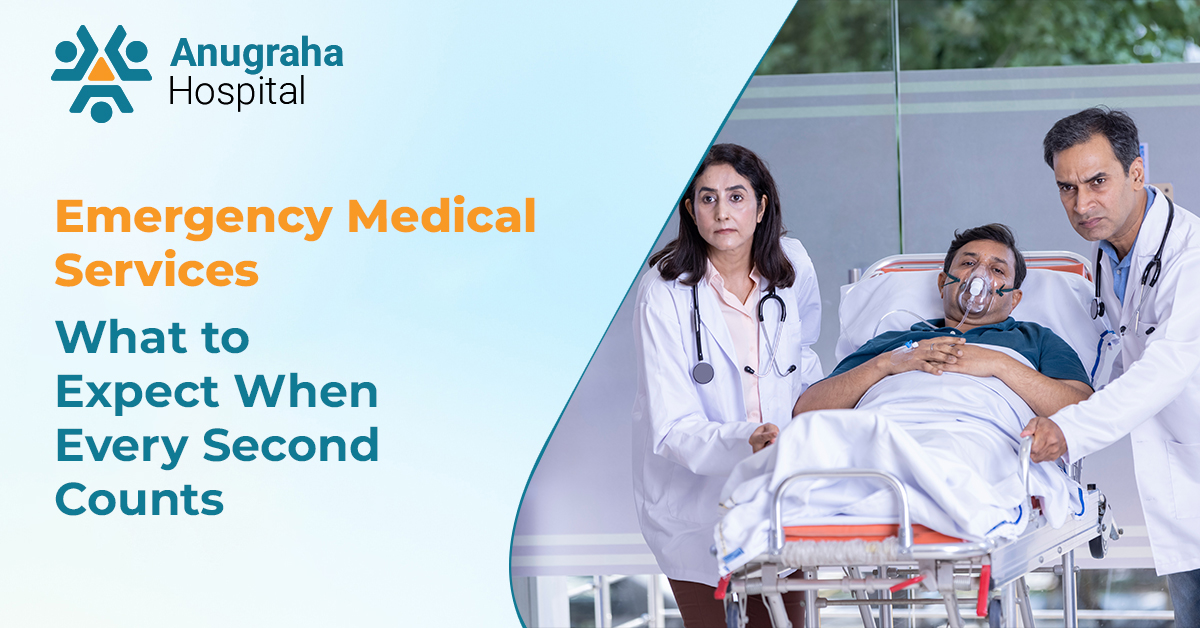
When you or your loved ones face a medical emergency, the stress and worry can take over quickly. One moment you are going about your day, and the next you are trying to understand what went wrong.
In moments like these, every second feels heavy. But when you know how Emergency Medical Services work and what to expect, things become a little less frightening. You understand what the doctors will check first, how the team decides the next steps, and what you can do while help is on the way.
This kind of clarity matters because it helps you stay calmer and act faster. And that difference can genuinely help the person who needs care. So let’s walk through what really happens during an emergency visit, step by step, in a way that’s simple and easy to follow.
Quick Guide to Emergency Medical Services
Emergency care is built around one principle: every minute counts. That’s why there are trained emergency doctors, nurses, paramedics, and modern diagnostic tools to act fast when a patient arrives.
Here’s what Emergency Medical Services generally cover:
- Ambulance support for safe transport
- Quick assessment to understand how serious the condition is
- Immediate stabilisation, especially for breathing issues, chest pain, injuries, or sudden weakness
- Coordinated care between emergency doctors, specialists, and nurses
Each step is designed to reduce risk and give the patient the best chance of recovery.
What Happens When You Reach an Emergency Department
One of the biggest doubts people have is what happens first after reaching an Emergency Department in Chennai. The process is actually simple, and knowing it gives you a sense of control during stressful moments.
Triage: Understanding Who Needs Care First
Emergency departments follow a system called triage, where patients are checked quickly and sorted based on urgency. This doesn’t mean others are ignored. It only ensures the most critical patients get immediate help.
For example:
- Someone with chest pain or stroke symptoms goes straight in for rapid treatment.
- Someone with a smaller injury may wait a little longer.
You’ll see nurses checking vital signs, symptoms, and the patient’s overall condition. These first few minutes help the doctors decide the next steps.
Immediate Medical Evaluation
Once inside, the emergency doctor examines the patient and may order quick tests like:
- Blood tests
- X-rays
- ECG
- Ultrasound
How Emergency Teams Handle Common Situations
Every emergency is different, but these are the ones hospitals handle most often.
Heart-Related Emergencies
Symptoms like severe chest pain, breathlessness, or sudden sweating are treated immediately. Doctors stabilise the heart, check ECG changes, and start essential medication.
Stroke Symptoms
Sudden weakness, slurred speech, or facial drooping are signs of stroke. Hospitals act quickly because early treatment can reduce long-term damage.
Accidents and Injuries
Whether it’s a road accident or a fall at home, the emergency team focuses on bleeding control, pain management, and stabilising the patient before further tests.
Respiratory Issues
Asthma attacks, severe infections, or allergic reactions are handled with oxygen support, nebulisation, or emergency medication.
What About Maternity Emergencies?
Pregnancy-related emergencies need extra care. If an expecting mother has sudden pain, bleeding, high BP, or reduced fetal movement, she will be guided directly to the gynecology and maternity team.
Most of the Best Maternity Hospitals in Chennai have both emergency services and maternity specialists under one roof, which helps mothers get the right care without delays.
What You Can Do Before Help Arrives
While medical teams act quickly, your response at home also matters.
- Stay calm; it helps you think clearly.
- Call for help immediately and share your exact location.
- Keep the patient comfortable and avoid unnecessary movement.
- If the person is unconscious, check for breathing and keep the airway open.
- Keep emergency numbers saved on your phone.
These simple steps make a big difference by the time the patient reaches the hospital.
Final Thoughts
Emergencies are stressful, but being prepared helps you respond with confidence. Knowing what to expect, from the ambulance ride to the first few steps inside the emergency room, removes some of the fear families often feel in these moments.
At Anugraha Hospital Pammal, the team is ready 24/7. Experienced doctors, modern equipment, and quick diagnostics make sure patients get timely care. From sudden illness to maternity concerns and detailed medical treatments, help is always available.
Book an appointment at Anugraha Hospital today.
Tags: Emergency Department in Chennai, Emergency Medical Services